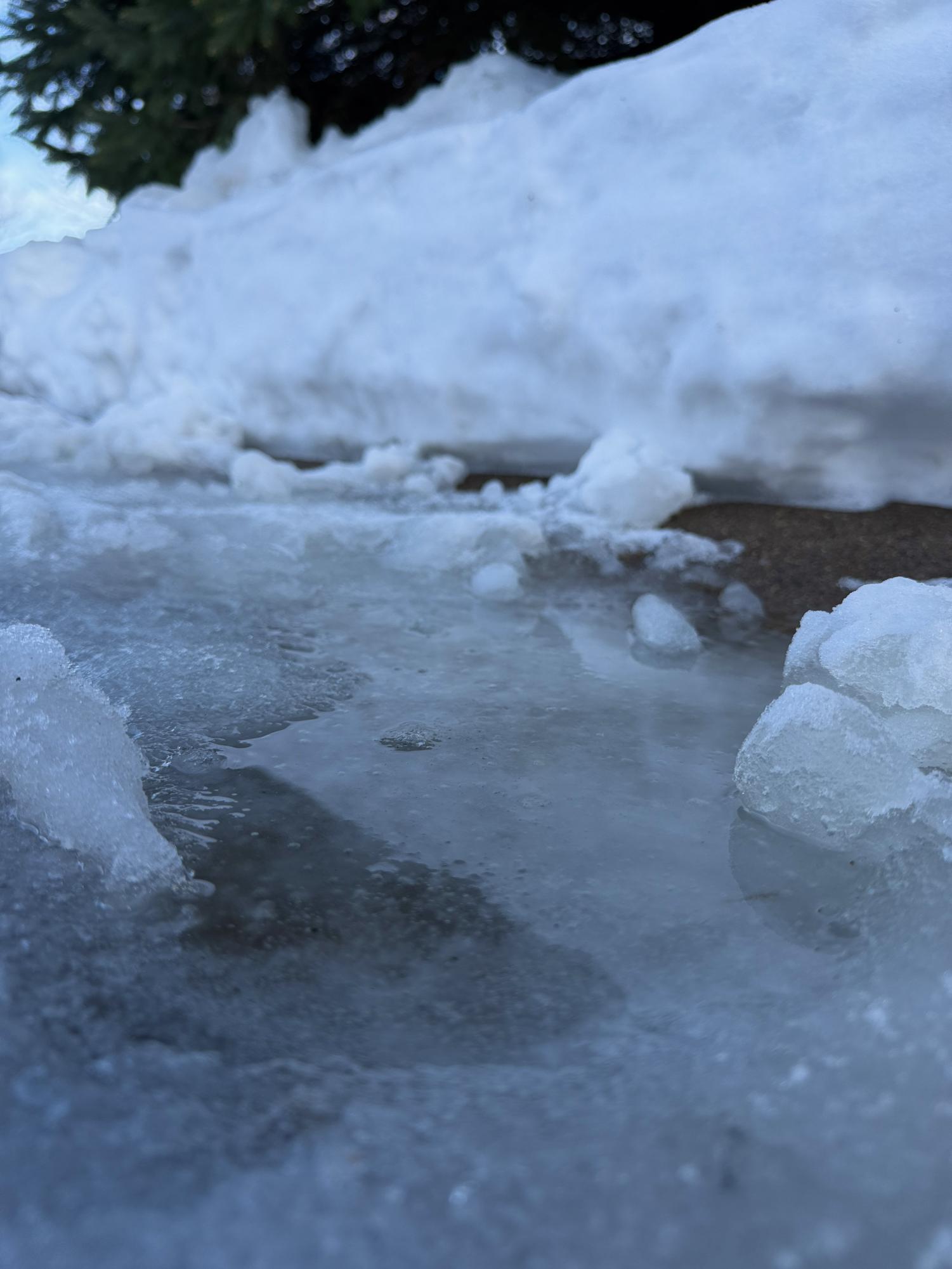
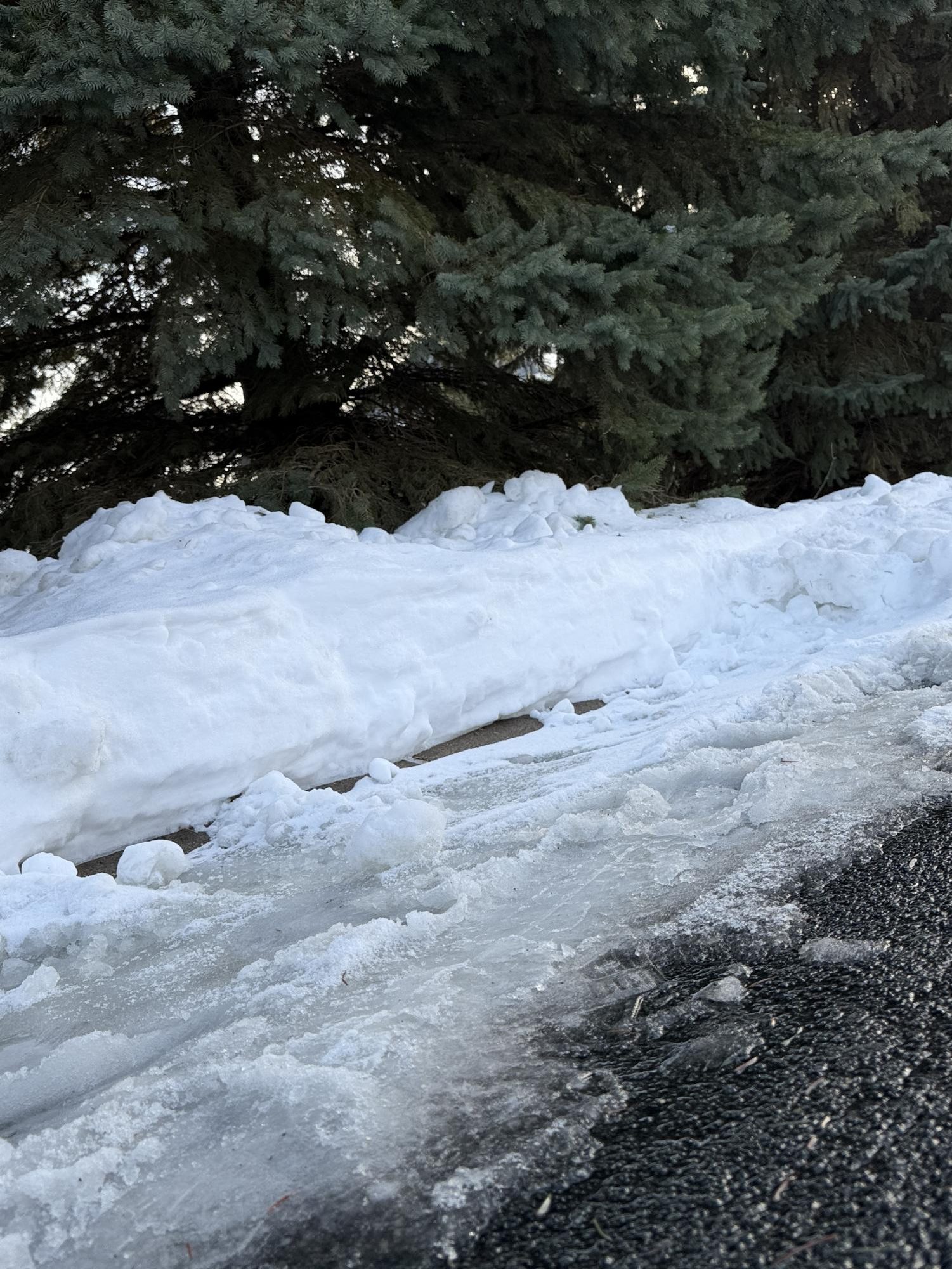
It must be surprising to hear that these photos were taken four days before March 21st, when the temperature reading of MN hit a high of 77F. Or, maybe not. Piled snowbanks up to my waist, historic levels since the 2010s, all melted into oblivion. As quickly as conditions for ISD 194’s first (and only) snow day of the year poured down one Sunday, they disappeared. But here in Minnesota, these conditions aren’t so strange. If anything, they feel like they’re becoming more and more frequent. But why is that?
Minnesota’s “Bipolar” Weather
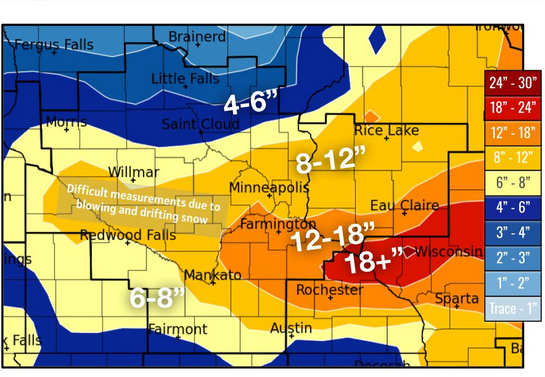
The most recent blizzard from March 14-16 was scattered across the state, but hit southeastern Minnesota heaviest, with most areas including us here in Lakeville (the southwest metro) seeing about a foot of snow. “The town of Kellogg in southern Minnesota takes the cake with 25 inches of snow from Saturday evening into Sunday.” Variations in cloud patterns, however, meant that the North and West were barely impacted by the snow.
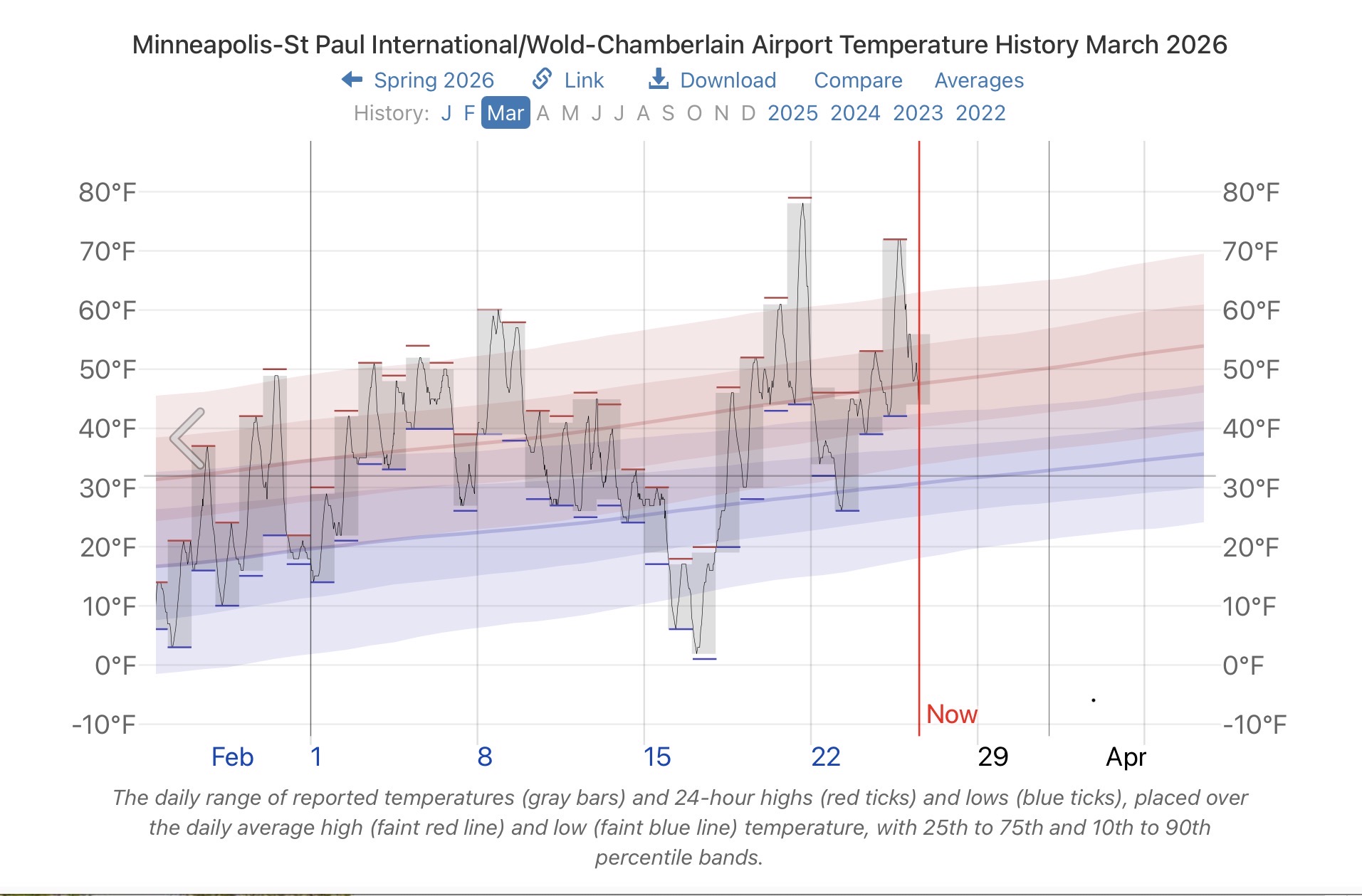
Minnesota has always had highly variable weather, but this year saw particularly varied jumps in March. While it’s not uncommon for March to reach temperatures of both 0F and 70F, we hit both extremes in less than a week between the winter blizzard and recent heat. A typical day in March so far saw a temperature range of about 20 degrees, with one day spanning nearly 40 degrees.
And yet the extreme weather swings experienced in the twin cities aren’t just year after year of coincidences. We live in what’s categorized as a Dfa Köppen climate, most recognized by its “significant seasonal temperature differences” Dfa climates have long, scorching summers: may see days over 100F with temperate nights and large temperature variation, sometimes 50 degrees in a day. These conditions and decent rainfall often “foster plant growth”, one of many reasons Minnesota is a huge agricultural center. In the winter, “middle-latitude cyclones bring chilly temperatures and snow”. Recent NASA research suggests this ‘weather whiplash’ may be getting more and more frequent as climate change modifies our earth’s environment
For instance, the highest ever recorded Minneapolis temperature was 108F, while its lowest fell to -34F. To put things into perspective, Minneapolis is the country’s coldest major city. Winters average 5 degrees colder than Anchorage, Alaska. And despite its inland location, Minnesota has seen its fair share of floods, snowstorms, and tornadoes.
Implications for Winter Sports
Unpredictable winter weather has made pursuing winter activities and sports increasingly unpredictable, such as in ski resorts. Buck Hill, just nearby in Burnsville, had a highly varied number of opening days in the past decade or so.
Except for 130 days in 2023, the past 5 years Buck Hill has consistently been open 120 or less season days. While 2013, 2014, and 2018 all surpassed 140 season days. That’s not to say Minnesota has unanimously gotten colder, however. 2016 immediately warmed up following the heavy snow of 2013-2014, only seeing 113 days of skiing action.
2024 was another dramatic year for weather – where I anecdotally remember barely any natural snowfall in Lakeville – and sister ski resort Highland Park only opened its doors for 100 days.
These ups and downs over the years make each season unpredictable, and fast melting snow adds a further challenge.
Whether you’re a winter athlete or not, it’s worse watching out for the sliding scale of weather Minnesota we may continue to expect in coming years!